Emergency Water Extraction
Standing water pumped and pulled out of carpet, hardwood and tile, day or night, so drying can start the same visit.
View service (833) 829-0018
Seattle's damp winters give mold a head start. A slow leak under a sink, a basement wall that stays damp, or an attic with poor ventilation can all grow mold within days to weeks.
Have your 5-digit ZIP code ready. A short prompt connects you to a local provider.
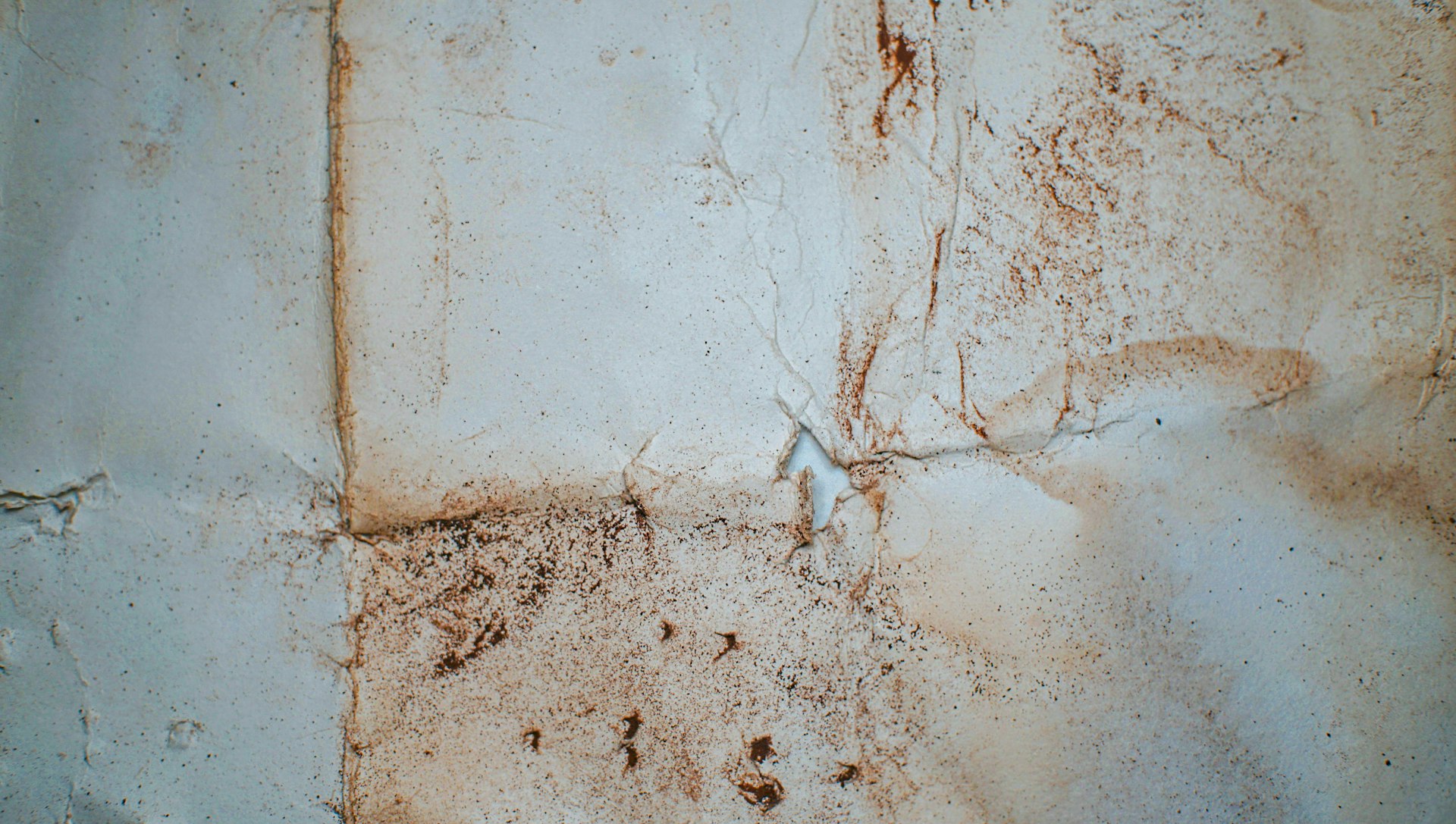
Mold removal in Ballard involves finding and fixing the moisture source, setting up containment with plastic sheeting and negative air pressure, removing moldy porous materials such as drywall and insulation, cleaning and treating framing and hard surfaces, using HEPA filtration, and confirming the area is dry before rebuilding.
The crew sets up containment around the moldy area with plastic sheeting, then uses fans with HEPA filters to keep spores from spreading to the rest of the house. Moldy drywall, insulation and carpet are cut out, bagged and removed. Framing and hard surfaces are cleaned, often sanded or scrubbed, and treated. Air is filtered throughout.
The EPA mold guidance notes that the key to mold control is moisture control. In Ballard that means fixing the leak, improving basement drainage, or adding ventilation to attics and bathrooms. Without that step, mold will return.
Leak, seepage or condensation.
Plastic sheeting and negative air.
Moldy materials cut out and bagged.
Surfaces cleaned, area dried and checked.
Stronger in closed rooms or basements.
Black, green or white.
Moisture behind it.
That ease when you leave.
Water on the floor right now? Call (833) 829-0018 for a local crew.Open 24/7 · Talk to a local provider in Ballard
Call 24/7 (833) 829-0018Mold needs moisture, food and time. Damp air in winter, basement walls that stay cool and wet, attics without enough venting and bathrooms without good fans all provide moisture. Slow leaks under sinks or behind dishwashers can feed mold for months before anyone notices. Newer townhouses can trap moisture too, since they are built tight and depend on mechanical ventilation.
Run bathroom fans for 20 minutes after showers and keep basement humidity under about 50 percent with a dehumidifier.
Mold is often the last chapter of water damage restoration in Ballard, following a leak or flood that was not dried in time. It can follow ceiling leaks and basement seepage.
Ceiling dripping after the storm? Talk it through tonight.Open 24/7 · Talk to a local provider in Ballard
Call 24/7 (833) 829-0018
Visible mold, moisture readings and the source.
How much to contain and remove.
Containment, removal and cleaning.
Dry readings before rebuilding.
Basement drain backing up? Call before you run any more water.Open 24/7 · Talk to a local provider in Ballard
Call 24/7 (833) 829-0018| Small spot (under 10 sq ft) | Larger area | |
|---|---|---|
| Who handles it | Homeowner with care | Professional |
| Containment | Not usually needed | Required |
| Removal | Clean the surface | Cut out materials |
| Moisture fix | Still needed | Still needed |
| Factor | Why it matters | What to ask on the call |
|---|---|---|
| How far it spread | More rooms means more extraction and more equipment | Which rooms read wet on the meter? |
| Water category | Clean, gray or sewage changes what can be kept | Which category did you assign? |
| Materials removed | Pad, baseboard, drywall, insulation | What has to go, and why? |
| Drying days | Equipment is usually billed per day | Will I get daily moisture readings? |
| Containment size | Larger areas need more setup | How big is the containment? |
Drying a leak within 24 to 48 hours prevents most mold. Call (833) 829-0018 at any hour.
Water on the floor right now? Call (833) 829-0018 for a local crew.Open 24/7 · Talk to a local provider in Ballard
Call 24/7 (833) 829-0018Do not use bleach on drywall or wood, and do not sand or scrape large moldy areas yourself.
Before anyone starts on mold removal in a Ballard home, ask for the company's Washington registration number and check it on the Washington L&I contractor lookup. The lookup shows whether the registration is active, the bond and insurance on file, and any strikes or lawsuits. Pipe repairs need a certified plumber. It is reasonable to ask for proof of liability insurance and whether the crew has IICRC water damage training before any drywall comes off.
Mold is what follows when part of water damage restoration in Ballard comes too late.
Ceiling dripping after the storm? Talk it through tonight.Open 24/7 · Talk to a local provider in Ballard
Call 24/7 (833) 829-0018Wood paneling and carpet were popular basement finishes in the 1960s and 1970s, and many Ballard basements still have them. When a wall seeps every winter, mold often grows on the back of the paneling and the furring strips behind it, out of sight. A musty smell that gets stronger in the wet months is the usual clue.
Testing is not always needed when mold is visible. It can help when you smell mold but cannot find it, when someone in the home has health concerns, or when a landlord and tenant disagree. If you test, hire an independent inspector rather than the company doing the removal, and ask for clearance testing after the work is done.
Attics in older Ballard homes can grow mold on the roof sheathing when bathroom fans vent into the attic instead of outside, or when vents are blocked. Fixing the venting is part of the job.
Basement drain backing up? Call before you run any more water.Open 24/7 · Talk to a local provider in Ballard
Call 24/7 (833) 829-0018With mold after water, call your agent once the water has stopped. Ask whether an adjuster wants to see the damage before drying starts, keep every receipt, and ask the crew for dated photos and moisture readings each day. Washington policies treat a sudden pipe break, slow seepage and sewer backup very differently, so the exact wording of your policy decides more than any general rule does.
For mold after water in a rental, tenants in Ballard's apartments and rented houses should tell the landlord or property manager in writing, with photos and the time they found the water. Repairs to the building are normally the owner's job and personal belongings fall under renters insurance. An owner who gets drying started the same day saves on repairs and on lost rent.
Calling about mold after water? Ask how soon someone can arrive, what they measure, whether they check under pad and behind finished walls, how many days they expect the equipment to run and how the bill is worked out. Ask if they can bill your insurer and who handles rebuilding. Clear, specific answers on the first call usually mean an organized crew.
Water on the floor right now? Call (833) 829-0018 for a local crew.Open 24/7 · Talk to a local provider in Ballard
Call 24/7 (833) 829-0018For mold after water, a clean-water job in Ballard usually dries in three to five days once the water is extracted. Old-growth fir subfloors, plaster and the concrete in a basement slab hold water longer. Repairs wait until the readings say dry, and a good provider gives you a rough schedule on day one and updates it as the numbers come in.
The bill for mold after water follows how long the water sat, how dirty it was, how much finished space it reached and what has to be removed. Water caught within an hour on hardwood is a short visit. The same leak found after a weekend under carpet in a finished basement can mean new pad, new drywall and a week of fans.
Calls about mold after water in Ballard follow the weather. Long rains from October through April bring roof leaks and wet basements, the occasional hard freeze in December or January splits pipes in crawl spaces and outside walls, and summer brings irrigation and washing machine leaks. Water heaters fail whenever they like. Telling the provider the season helps them guess the source.
Ceiling dripping after the storm? Talk it through tonight.Open 24/7 · Talk to a local provider in Ballard
Call 24/7 (833) 829-0018In houses built before 1930, mold after water often involves plaster walls, fir floors and a basement that was finished decades after the house went up. Plaster can sometimes be dried in place, and old fir boards can cup and then flatten again if they are dried slowly. Ask the crew whether they plan to dry first or cut first.
If you are dealing with mold after water right now, call (833) 829-0018. A local restoration company answers at any hour, talks you through the first steps and can usually get a crew to a Ballard address the same day.
Small spots can be cleaned, but mold over about 10 square feet should be handled by a professional.
Not on drywall or wood. It does not reach mold roots and adds moisture.
Not always. Visible mold and a moisture source are usually enough to act.
Not if the moisture source is fixed.
Standing water pumped and pulled out of carpet, hardwood and tile, day or night, so drying can start the same visit.
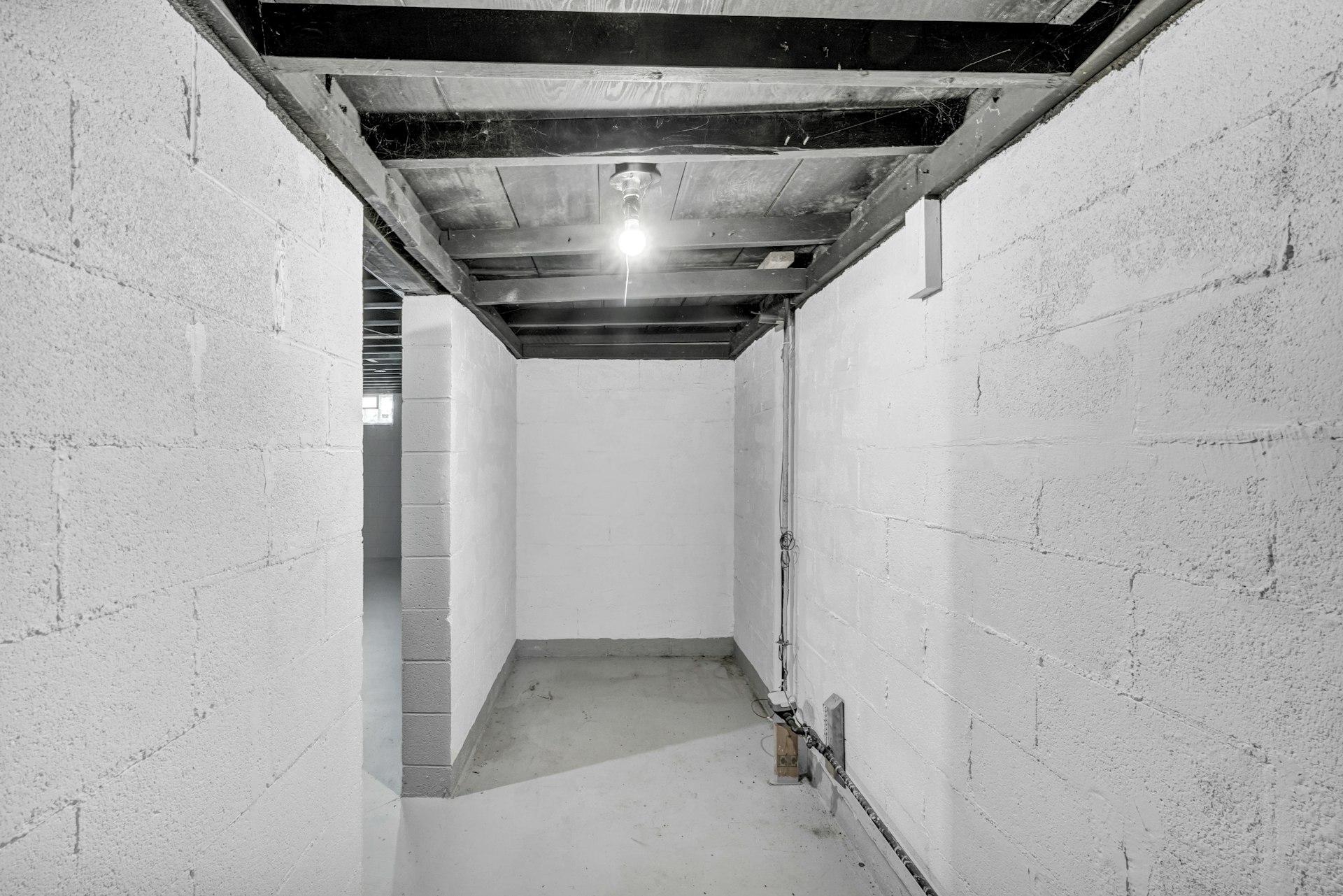
Water in Ballard basements, from hillside seepage on Sunset Hill to a failed drain tile in Whittier Heights, removed and dried.
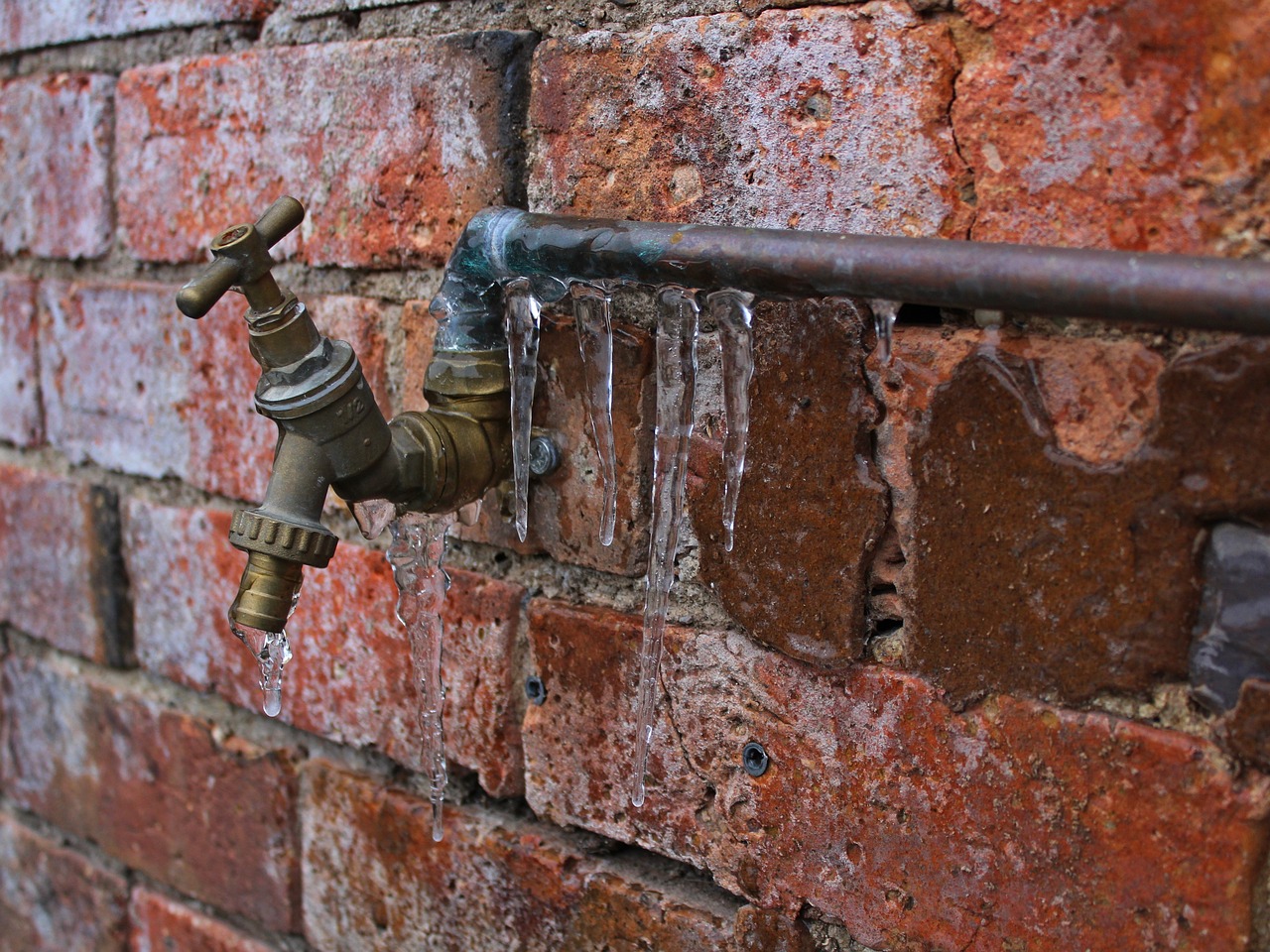
Supply lines that split in a cold snap or gave out with age, and the walls, ceilings and floors they soaked.
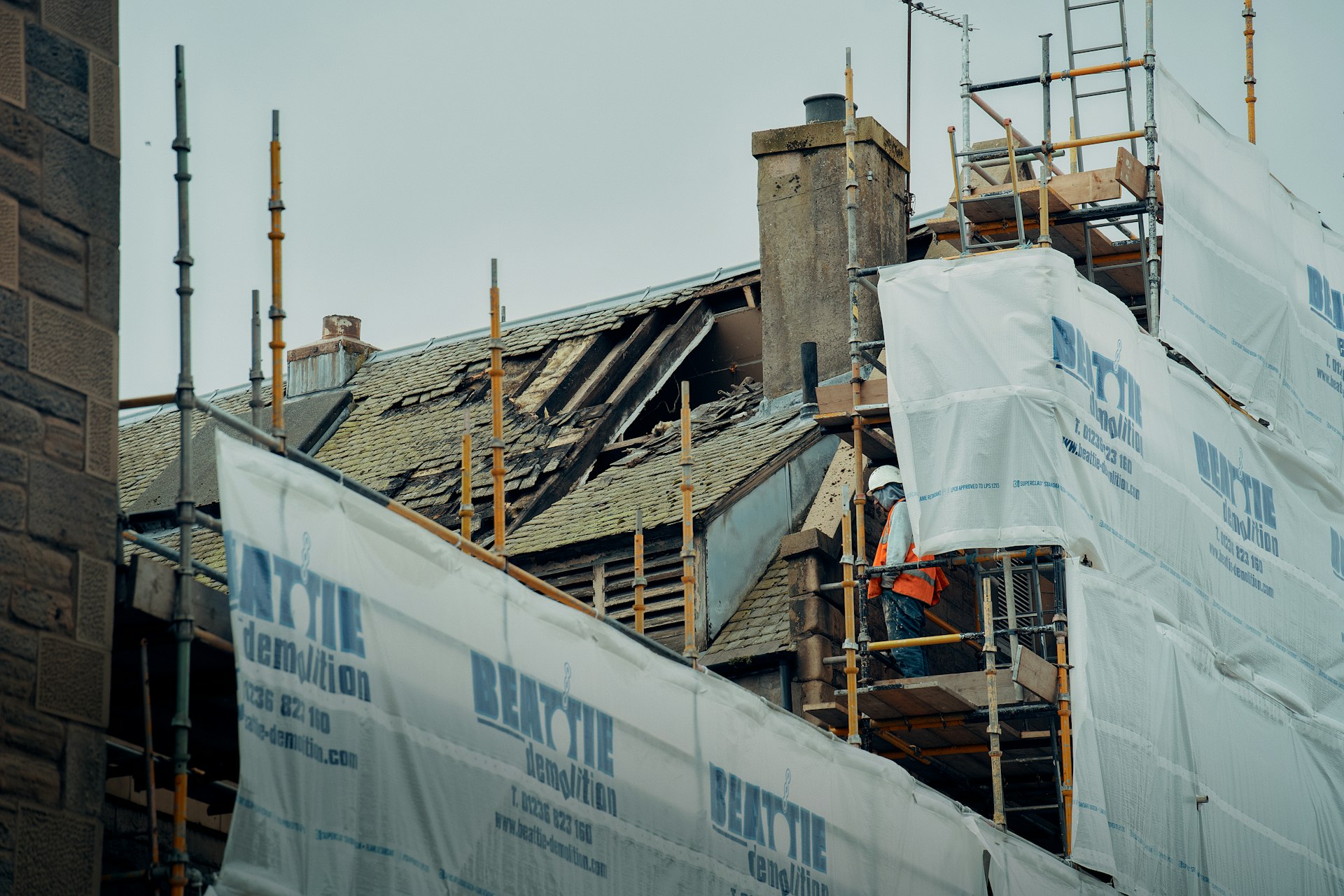
Rain that got past mossy shingles, clogged gutters or a flat townhouse roof, dried out of attics, ceilings and walls.
Sewage from a blocked or root-filled side sewer cleaned out of basements and bathrooms with the right protection.
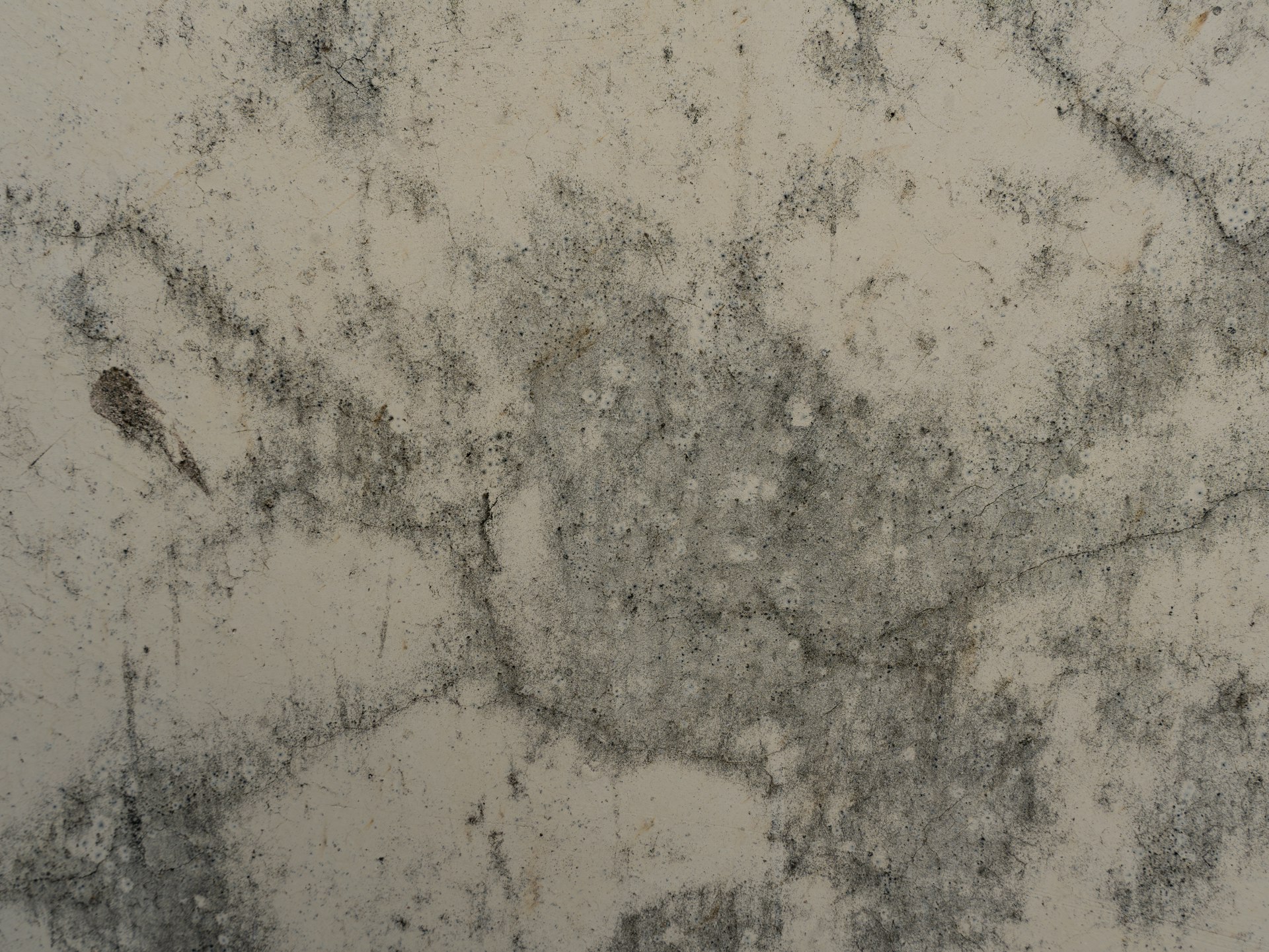
Stock photos showing the type of jobs Seattle-area crews take on.
Reach a local crew
One call connects you with a restoration company that works across Ballard, from Sunset Hill and Loyal Heights to Whittier Heights and the streets off Market. They explain the plan and the pricing first.
(833) 829-0018Have your 5-digit ZIP code ready. A short prompt connects you to a local provider.