Emergency Water Extraction
Standing water pumped and pulled out of carpet, hardwood and tile, day or night, so drying can start the same visit.
View service (833) 829-0018
Ballard, Seattle WA
Water coming up through a basement floor drain, a ceiling stain spreading after three days of rain, a pipe that split under the sink during a cold snap. One call reaches a local restoration company that can get the water out and the house dry.
Have your 5-digit ZIP code ready. A short prompt connects you to a local provider.
Water damage restoration in Ballard means stopping the source, pumping and extracting the water, drying floors, framing and plaster with dehumidifiers and air movers while checking moisture every day, then repairing what had to be removed. Most Ballard calls come from long rainstorms, basement seepage on the hills, side sewer backups, old supply pipes and leaking townhouse roofs.
What we cover
Water damage restoration in Ballard takes a soaked house back to dry and repaired. The water might come from a supply line that split during a freeze, from groundwater pushing through a basement wall on a hillside lot, from a side sewer full of roots, or from rain finding its way past a flat townhouse roof. Pipes inside the home and the side sewer are the owner's responsibility here, so the cleanup is a private job.
Pick the page that fits what you see. Water on the floor anywhere is emergency water extraction. Water across a lower level is daylight basement water cleanup. A split or leaking line is burst pipe water damage. Drips and stains overhead are roof and ceiling leak damage. Dirty water rising from a floor drain is side sewer backup cleanup, and growth after a slow leak is mold removal.
The streets differ too. Hillside homes in Loyal Heights and Sunset Hill deal with seepage and daylight basements, and the older bungalows of Whittier Heights and West Woodland deal with tired pipes and clay side sewers.
Right now
Close the main valve for a pipe leak. Turn off the supply valve behind a toilet or under a sink if that is the source. For a backing-up floor drain, stop all water use: no flushing, laundry or showers.
Do not walk through water that touches outlets, power strips or a furnace. Flip breakers only while standing somewhere dry. Keep away from a ceiling that sags.
Take photos and a short video of the water and where it came from before you move anything. Your insurer will ask for them.
Call (833) 829-0018. Carpet pad, drywall and old fir floors soak up water fast, and the first few hours decide how much can be dried instead of replaced.
Restoration crews sort water into three categories, and the category decides what can be saved.
Category 1 is clean water from a supply line, a water heater or a rain leak caught fast. Carpet, pad and drywall can often be dried in place.
Category 2 is gray water: a washing machine drain, a dishwasher, or clean water that sat for a day or two and picked up dirt from the floor. More gets removed and surfaces get cleaned before drying.
Category 3 is sewage or water that came in from outside across the ground. Porous materials it touched are removed, and everything left is disinfected. A Ballard basement floor drain that backs up from the side sewer is category 3 every time.
Restoration companies that cover north Seattle keep crews on call overnight and on weekends. For a Ballard address, most callers hear an arrival window on the first call, and a same-day visit is normal. During a regional event, like a hard freeze when hundreds of pipes break at once, wait times stretch, which is one more reason to call early rather than wait to see if it dries.
When you call, give the cross streets, say whether the water is still running and whether it is clean or from a drain. That lets the dispatcher send the right truck the first time, with pumps and protective gear if it is a sewer backup, or a ceiling crew if the leak came from above.
Services
Each page explains one job in plain words and lists the questions worth asking before work starts.
Standing water pumped and pulled out of carpet, hardwood and tile, day or night, so drying can start the same visit.
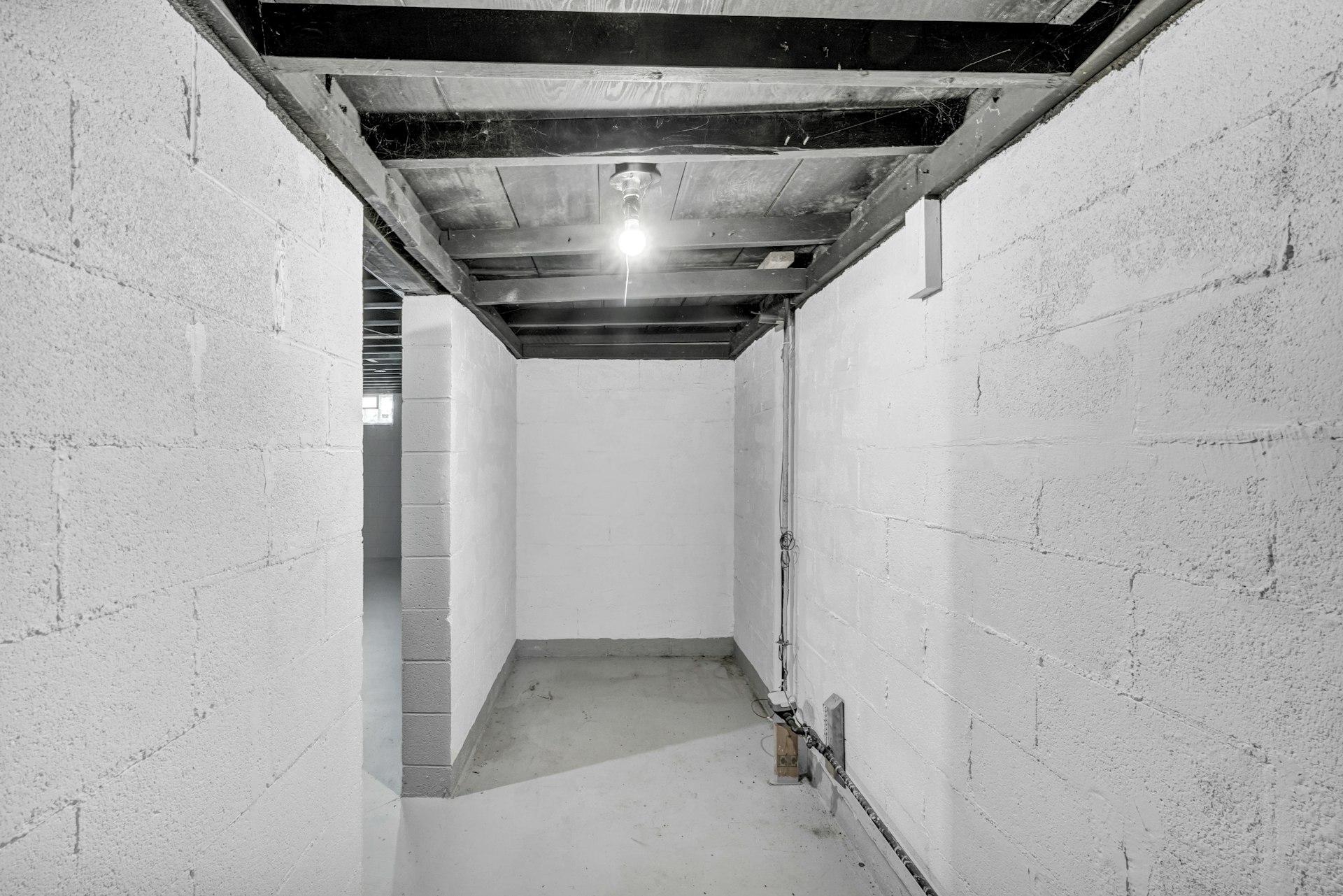
Water in Ballard basements, from hillside seepage on Sunset Hill to a failed drain tile in Whittier Heights, removed and dried.
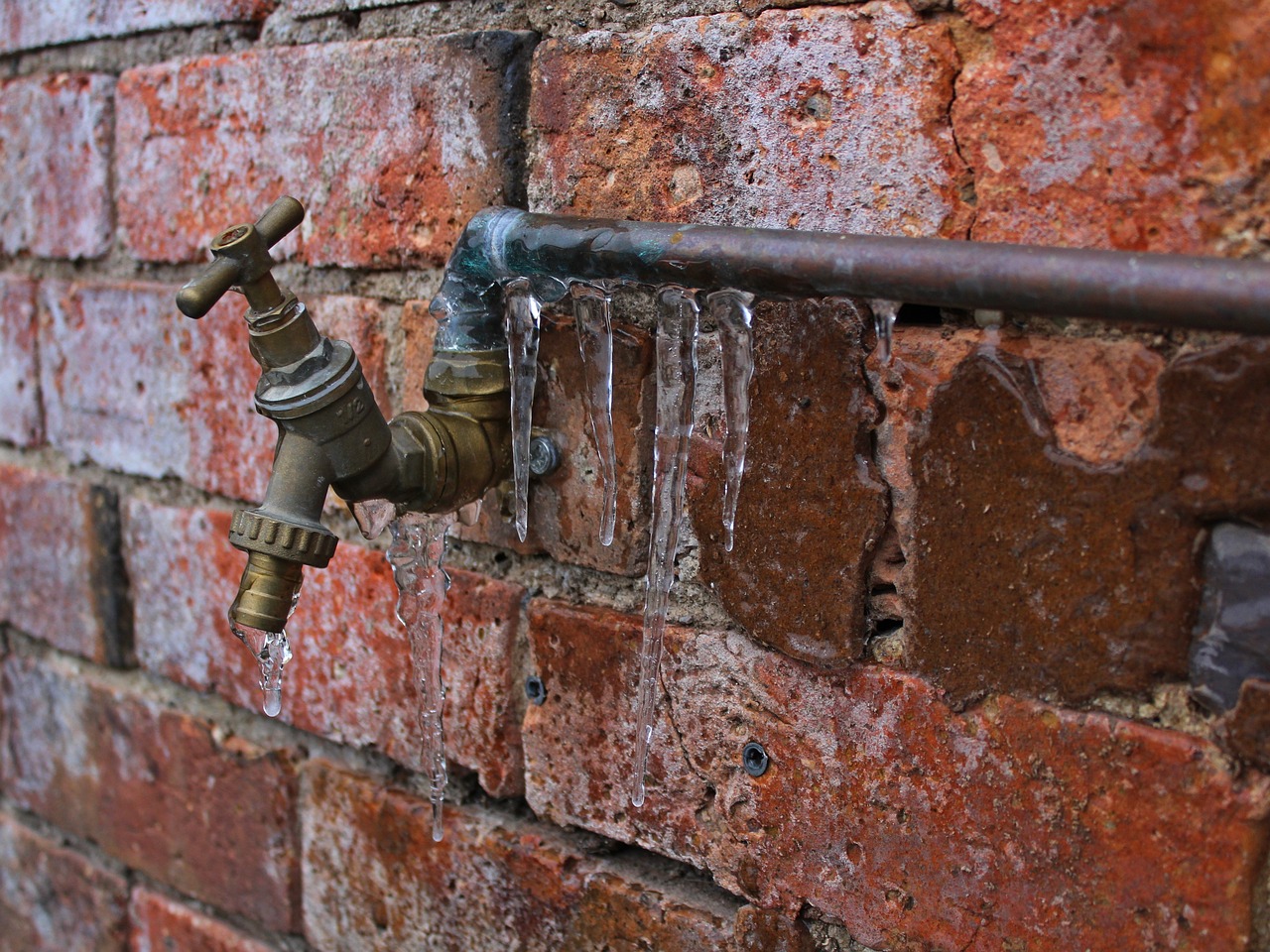
Supply lines that split in a cold snap or gave out with age, and the walls, ceilings and floors they soaked.
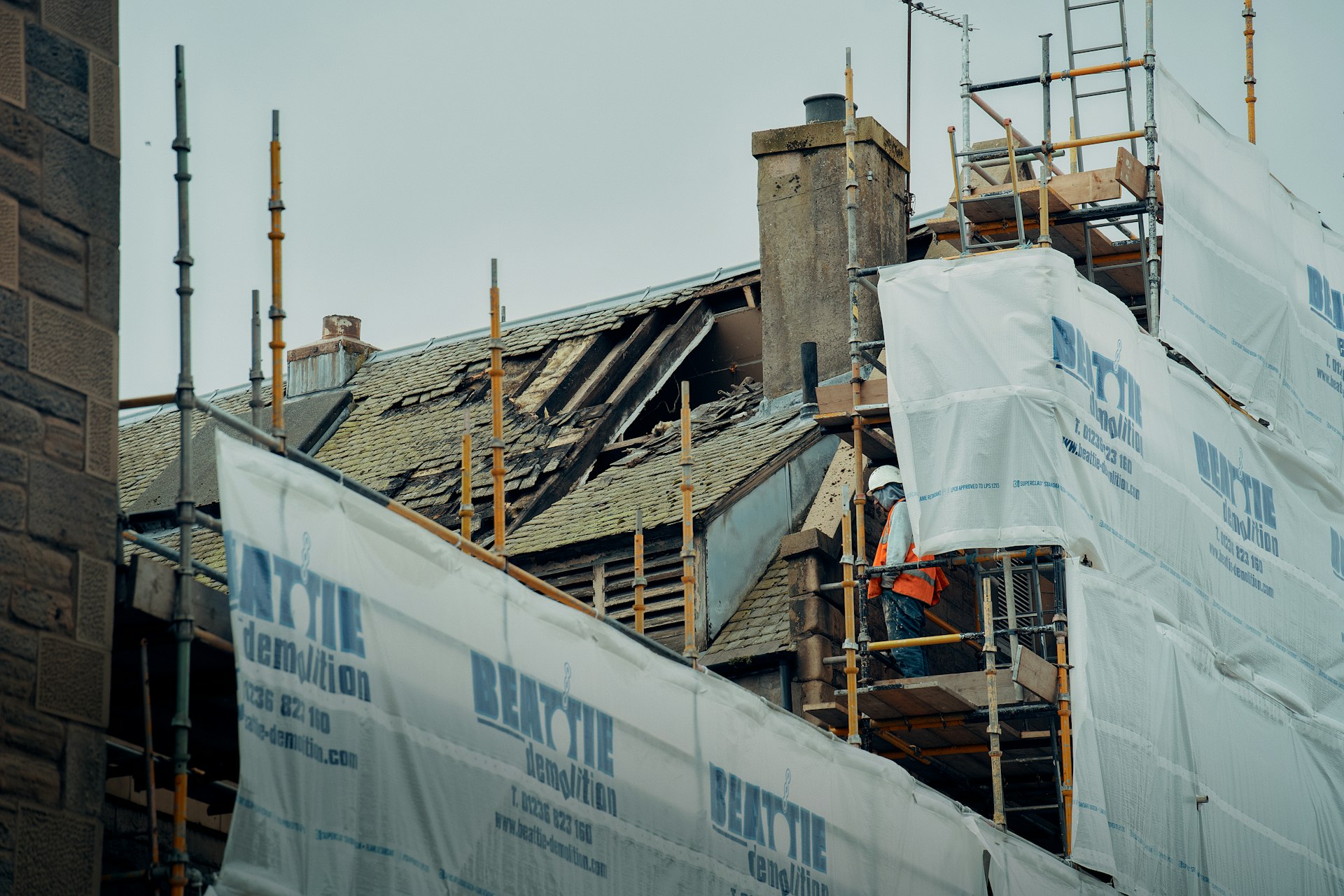
Rain that got past mossy shingles, clogged gutters or a flat townhouse roof, dried out of attics, ceilings and walls.

Sewage from a blocked or root-filled side sewer cleaned out of basements and bathrooms with the right protection.
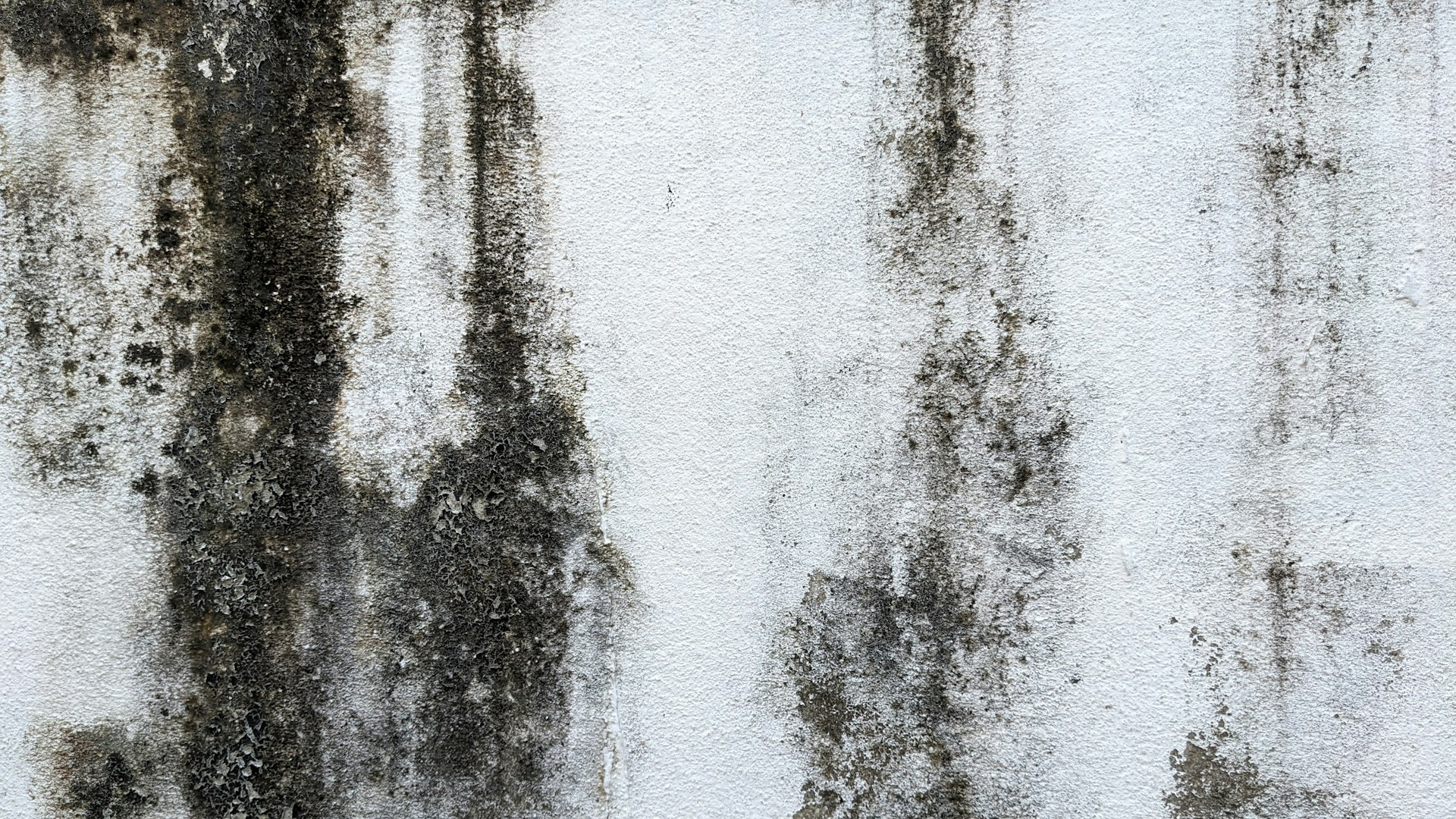
Mold that grew after a slow leak or months of damp air, contained, removed and kept from coming back.
Washington contractors must be registered with the Department of Labor and Industries, and plumbers need an L&I plumbing certificate. Look up the company with the Washington L&I contractor lookup before you sign. Ask whether the technicians hold IICRC water damage training and ask for a certificate of liability insurance.
Ballard began as a mill and fishing town on Salmon Bay, incorporated on its own in 1890 and voted to join Seattle in 1907. The Hiram M. Chittenden Locks opened ten years later at its western edge, and the fishing fleet still ties up at Fishermen's Terminal across the water. Ballard Avenue keeps its brick storefronts, and the old Scandinavian roots show up in the National Nordic Museum on Market Street.
Housing comes in layers. Craftsman bungalows and boxy foursquares from 1900 to 1930 fill the grid north of Market Street, postwar ranch houses sit higher up toward Crown Hill, and since the 2000s hundreds of townhouses and apartment buildings have gone up along Market, Leary Way and 15th Ave NW. Each layer brings its own water problems: old pipes and basements in the first, slab and crawl space issues in the second, and roof decks, flat roofs and shared walls in the third.
Water and sewer service come from Seattle Public Utilities. The city maintains the mains under the street. The service line on your side of the meter, every pipe in the house and the whole side sewer are yours.
A good crew does not just drop fans and leave. They walk the whole wet area with a meter, show you where the water went, explain which materials they want to dry and which they want to remove and why, and leave a written plan with the equipment list. They come back every day or two to take readings and move equipment as areas dry. If the numbers are not dropping, they change the setup.
You should also get photos from day one, a moisture map, and a clear answer about who to call if something looks wrong overnight. Those are the habits that separate a careful company from one that just rents out dehumidifiers.
Photograph everything before it is moved, then call your agent. Most restoration companies in the Seattle area work with insurers every day. They document moisture readings, photos and equipment logs, and many will bill the insurance company directly so you are not paying the full cost up front. Ask on the first call whether they do. Keep in mind that sudden pipe breaks are usually covered, while seepage and sewer backup depend on your policy and any endorsements.
Plenty of Ballard houses sit over a crawl space instead of a full basement, especially additions and postwar homes. A leak there can run for weeks unseen. Wet insulation sags off the floor joists, the vapor barrier holds a pool of water, and the wood above starts to smell. Crews pump it out, pull the wet insulation, dry the joists and subfloor, and replace the barrier.
Once the readings are back to normal, the house gets put back together: drywall, insulation, trim, paint and flooring. Some restoration companies handle the rebuild themselves; others hand it to a general contractor. For older homes, ask whether they can match plaster walls and old fir trim, or whether drywall and new trim are the plan.
Calls are not only from homeowners. Shops along Ballard Avenue, apartment buildings off Market Street and small offices near Leary Way have the same problems: roof leaks, sprinkler lines, water heaters and backed-up drains. Commercial jobs follow the same steps, with more attention to keeping the business open while drying runs.
Photos

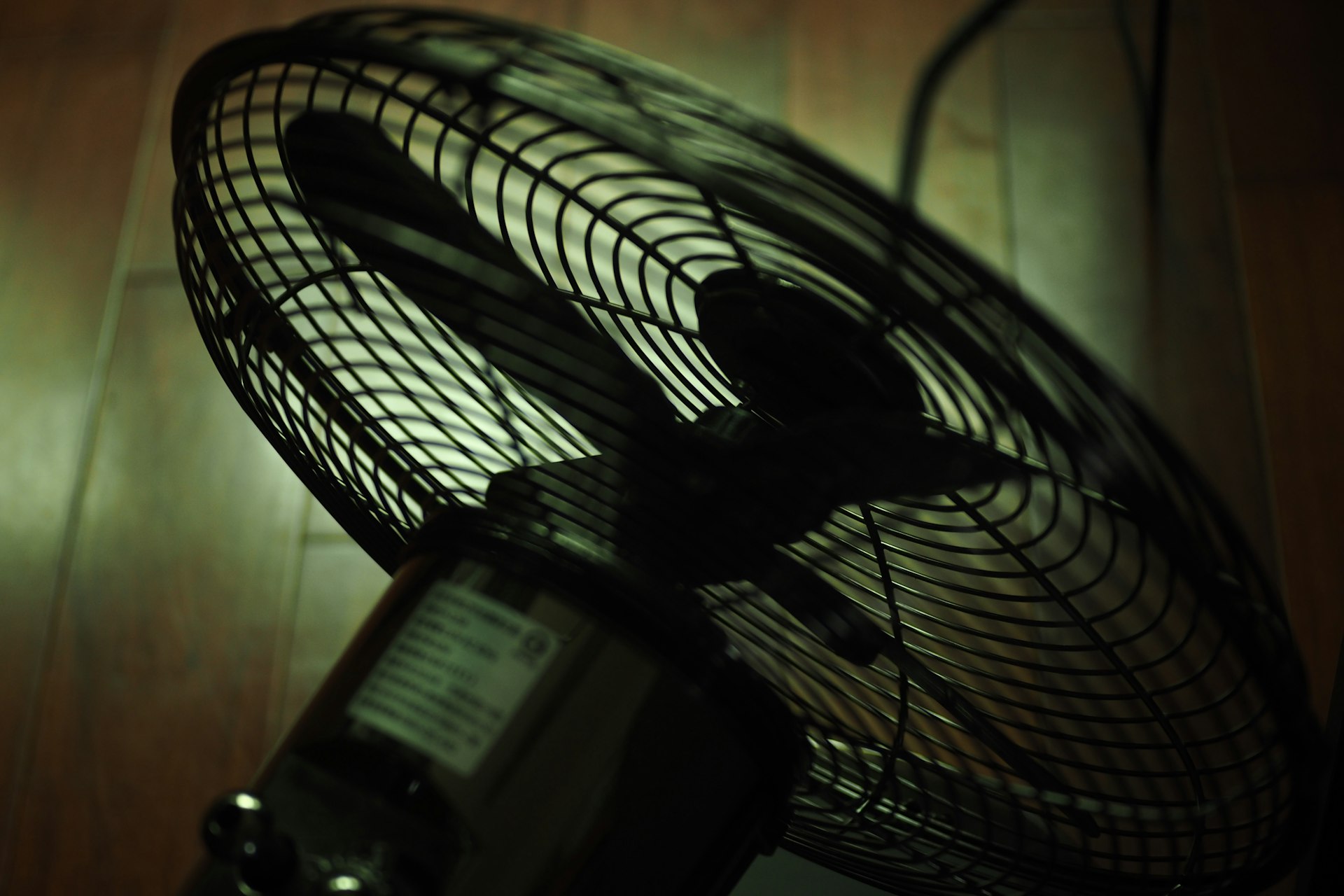

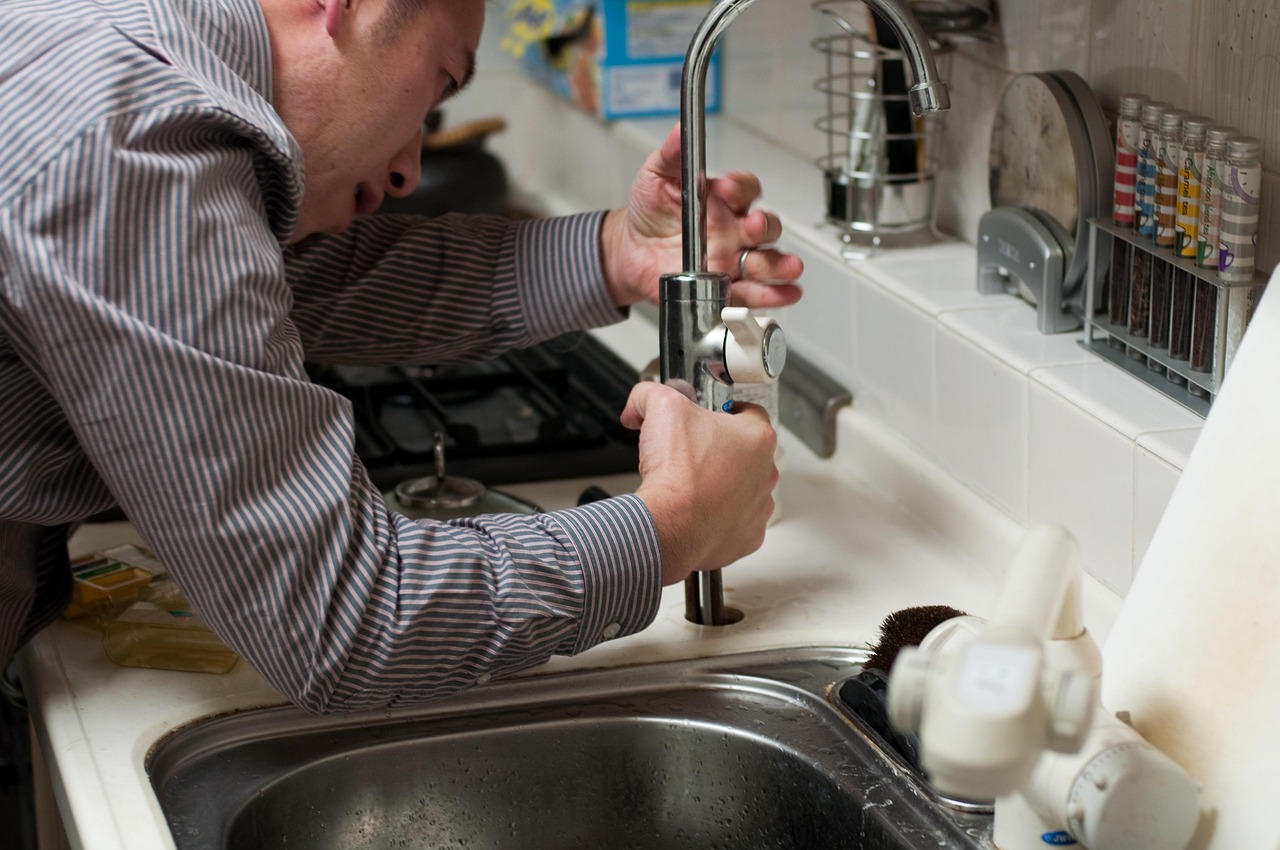

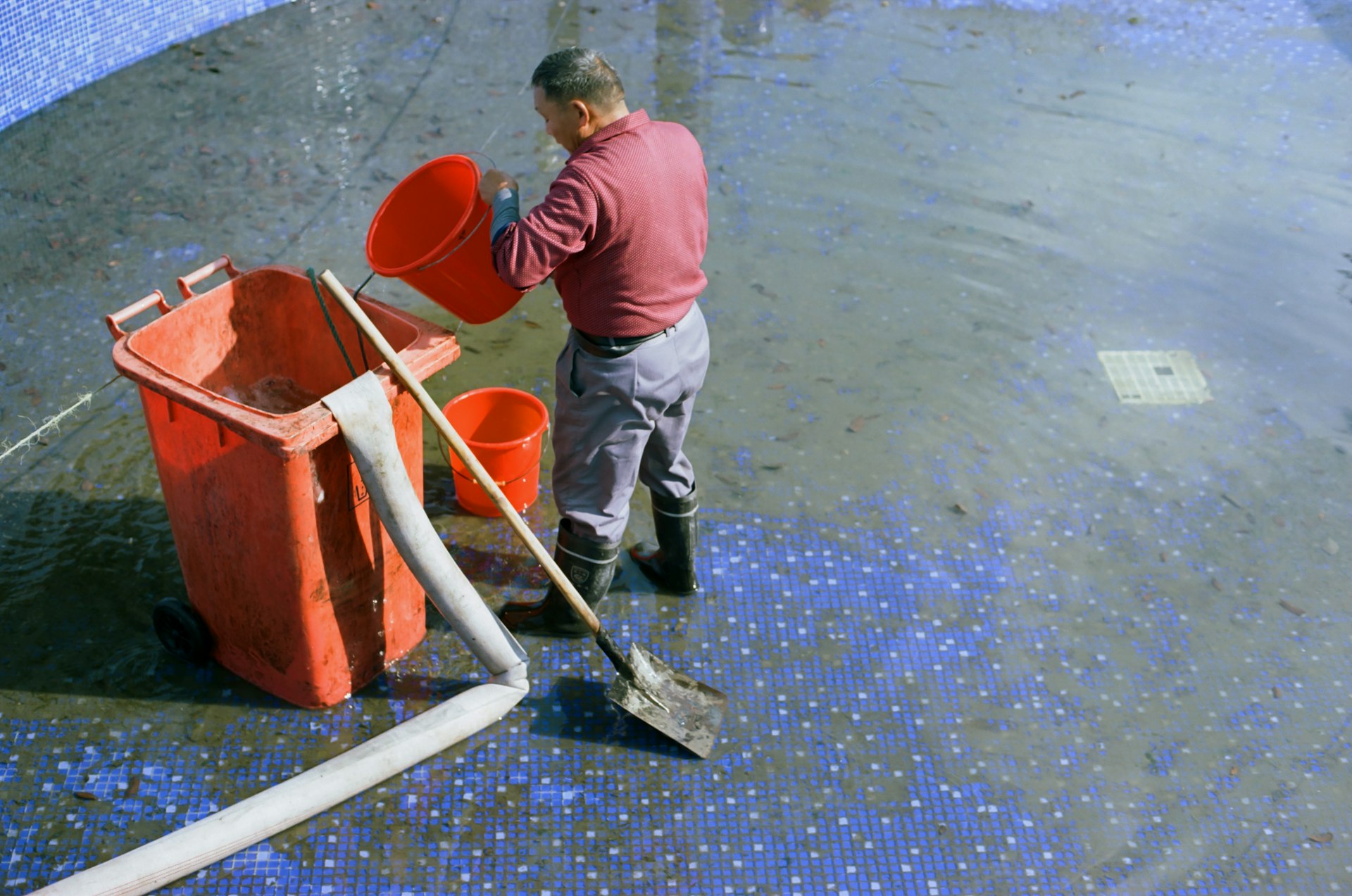
Stock photos showing the type of jobs Seattle-area crews take on.
FAQ
For a plumbing leak, close the main valve. Older Ballard houses usually have it in the basement on the street-facing wall; newer townhouses often have it in a utility closet or garage. If the basement floor drain is backing up, stop using water in the house. Stay clear of wet outlets, take photos, then call.
In Seattle the side sewer belongs to the property owner, all the way to the city main. Cleanup inside the house is a homeowner job, and insurance usually covers it only if your policy has a sewer or water backup endorsement.
Usually three to five days for clean water. Damp outdoor air in winter means crews rely on dehumidifiers rather than open windows, and plaster or a concrete basement floor can take longer.
Often not. Groundwater seepage is usually excluded from standard policies. A burst pipe or appliance leak usually is covered. Read your policy or ask your agent.
Reach a local crew
One call connects you with a restoration company that works across Ballard, from Sunset Hill and Loyal Heights to Whittier Heights and the streets off Market. They explain the plan and the pricing first.
(833) 829-0018Have your 5-digit ZIP code ready. A short prompt connects you to a local provider.